Why Are Professionals Ditching Traditional Email for Secure Alternatives?
Let's cut to the chase—traditional email is as outdated as your grandma's flip phone. In the digital age where data breaches are more common than colds, every smart professional is rethinking their email habits. And why not? When private, secure, and even self-destructing emails are on the table, sticking to old ways seems about as savvy as storing your savings under your mattress. Let's dive into why encrypted email gateways and anonymous email accounts are not just buzzwords but essential tools in 2026.
What’s the Buzz with Self-Destructing Emails?
Remember those spy movies where the message self-destructs after reading? Welcome to reality. Self-destructing emails are not just for Hollywood anymore. They're fantastic for sensitive negotiations or top-secret business strategies that should leave no trace. These emails vanish after a set period, ensuring there's no leftover data that could fall into the wrong hands.
In my experience, self-destructing emails keep things clean and confidential, which is gold for anyone from legal advisors to startup gurus pitching fresh ideas.
Top 5 Uses for Self-Destructing Emails:
- Legal documents that require immediate but secure viewing
- Time-sensitive offers or deals
- Identity verification processes
- Strategic communications within mergers and acquisitions
- Personal data transmissions that demand utmost privacy
After all, who wouldn't prefer their secret sauce to stay secret?
Unlocking the Power of Encrypted Email Gateways
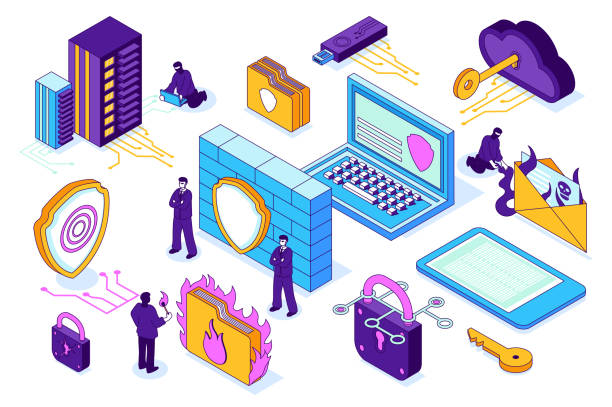
Imagine a fortress but in your email—a digital stronghold that shields incoming and outgoing emails through layers of encryption. That's your encrypted email gateway. For any professional whose email is a goldmine of intellectual property, this is non-negotiable. It's like having a personal bodyguard for your data.
But not all superheroes wear capes. These gateways are the caped crusaders against data theft and unauthorized access.
Why Choose an Encrypted Email Gateway?
- Enhanced security protocols guard against hacking
- Encryption keys unique to each user ensure that only intended recipients read your emails
- Protects both inbound and outbound communications
- Compliance with global privacy laws, making them ideal for international businesses
- Scalable solutions that grow with your business needs
Bottom line: if your email isn't encrypted, you're playing defense with no goalie.
Private Email: The Unsung Hero for Personal Security
While it's great to have bells and whistles, sometimes you just need a solid, no-fuss option. Private emails offer just that—a secure space that's not tied to easily hacked commercial providers. Think of it as your private diary, but for email.
5 Reasons to Switch to Private Email Today
- Keeps your personal information out of the reach of mass data collection
- Reduces spam and targeted ads
- Offers peace of mind with enhanced security features
- Custom domain names enhance your professional image
- Less prone to brute-force attacks
For the professional who wants control without complexity, private email is your go-to.
Crafting a Niche with Anonymous Email Accounts
Sometimes, anonymity is not just a preference but a necessity. Whether you're a whistleblower or a human rights activist, anonymous email accounts provide the cloak of invisibility you need to communicate safely. It's about protecting your identity and your message in a world that's not always kind to the outspoken.
Key Advantages of Using Anonymous Email Accounts
- Maintain privacy in sensitive personal or professional situations
- Communicate without leaving a digital footprint
- Prevent tracking and profiling by third parties
- Secure registration on sites and services without revealing true identity
- Protect source anonymity for journalists and activists
With anonymous email accounts, your voice is heard, but your name remains hidden—a powerful tool in the right hands.
Are you ready to make the switch to a more secure email solution that aligns with your professional needs? What’s holding you back?