Understanding Secure Communications: End-to-End Secure Messaging, Trusted Private Email, and Encrypted Email Gateways
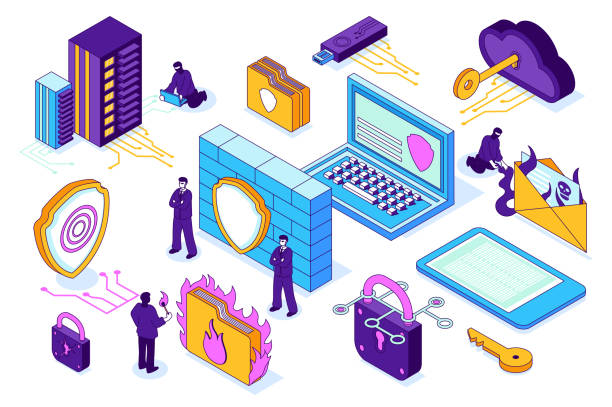
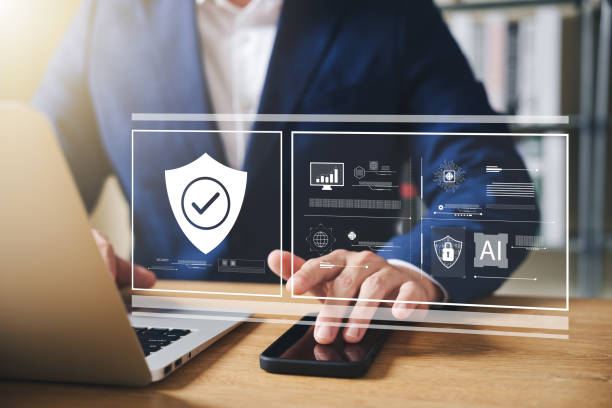
In today's digital age, where data breaches and cyber-attacks are increasingly common, the importance of secure communication cannot be overstated. Whether it’s personal conversations or professional communications, ensuring the privacy and security of your messages is paramount. This detailed guide explores three critical aspects of secure communication: end-to-end secure messaging, trusted private email, and encrypted email gateways.
What is End-to-End Secure Messaging?
End-to-end secure messaging refers to a form of communication where only the communicating users can read the messages. In theory, it prevents potential eavesdroppers – including telecom providers, Internet providers, and even the providers of the communication service – from being able to access the cryptographic keys needed to decrypt the conversation. End-to-end encryption is designed to ensure that data is turned into a secret message by its original sender, and decrypted only by its final recipient.
Here's how it works:
- Encryption: When you send a message, it’s encrypted on your device.
- Transmission: The encrypted message travels through various networks, remaining secure and unreadable to anyone intercepting it.
- Decryption: The intended recipient receives the message and uses a key, which is automatically managed and exchanged between users, to decrypt the message.
End-to-end encryption is widely regarded as the most secure form of communication and is used by many popular messaging apps today, including WhatsApp, Signal, and Telegram. However, it's important to verify whether the service you're using implements end-to-end encryption by default or if it must be manually enabled.
Benefits of Trusted Private Email Services
While many people are familiar with popular email providers such as Google's Gmail or Microsoft's Outlook, these services may not meet the stringent privacy requirements needed by those concerned with surveillance and data theft. This is where trusted private email services come in. These services are specifically designed to offer a higher level of security and are often used by individuals and organizations who prioritize confidentiality.
Features of trusted private email services typically include:
- Encryption: Emails are encrypted at rest and in transit, ensuring that only the sender and recipient can access the content of the emails.
- No Ads: Private email providers typically do not scan your email for the purpose of ad targeting.
- Minimal Data Collection: These services often collect minimal personal data from users.
Providers like ProtonMail and Tutanota are examples of trusted private email services. They both offer end-to-end encryption and do not require personal information when creating an account, enhancing the privacy of their users.
Choosing an Encrypted Email Gateway
For businesses, securing email communications can involve more than just using a secure email provider. An encrypted email gateway is a powerful tool that helps protect outbound and inbound emails at the organizational level. It acts as a mediator that encrypts and decrypts emails as they enter and leave the organization’s email system.
An encrypted email gateway typically offers the following benefits:
- Enhanced Security: It protects sensitive data from external threats and internal leaks.
- Compliance: Many industries have regulations requiring the protection of sensitive information. An encrypted email gateway helps in meeting these compliance demands.
- Automatic Encryption: Emails are automatically encrypted based on policy settings, reducing the risk of human error.
When selecting an encrypted email gateway, it is important to consider factors such as ease of use, compatibility with existing email systems, and the level of customer support offered by the provider.
Implementing Secure Communication Practices in Your Organization
Adopting secure communication practices is essential for protecting the integrity and confidentiality of your organization's information. Here are some strategies to implement:
- Education and Training: Regularly train employees on the importance of secure communications and how to use encryption tools properly.
- Use Trusted Platforms: Adopt end-to-end secure messaging apps and trusted private email services for all internal and external communications.
- Regular Audits: Conduct security audits to ensure compliance with your organization's communication policies and to identify potential vulnerabilities.
By integrating end-to-end secure messaging, trusted private email services, and encrypted email gateways into your communication strategy, you can significantly enhance the security and privacy of your digital conversations.
Conclusion
In conclusion, as cyber threats continue to evolve, the need for robust security measures becomes more critical. End-to-end secure messaging, trusted private email, and encrypted email gateways represent key technologies that can help safeguard your digital communications. By understanding and implementing these technologies, individuals and businesses can protect themselves from cyber threats and ensure that their private communications remain confidential and secure.
Remember, the first step towards secure communication is awareness, followed by action. Evaluate your current communication tools and practices, and consider upgrading to more secure options if necessary. Your privacy and security are worth the investment.