Fortifying Your Digital Communication: A Deep Dive into Advanced Email Security Strategies

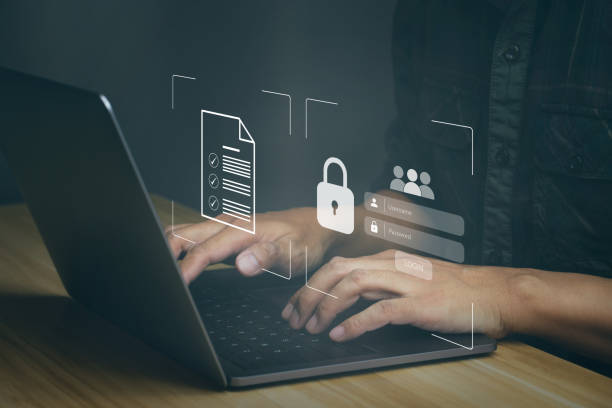
Just as Christ the Redeemer stands as a vigilant guardian over Rio de Janeiro, so must we stand guard over our digital correspondence in this era of escalating cyber threats. In this detailed exploration, we'll unpack the vital measures necessary to ensure the sanctity and security of our email communications—a realm where vigilance meets technology.
The Pillars of Email Data Protection
Protecting the integrity and confidentiality of email data is not just a best practice; it's a necessity in the digital age. Just like the robust foundation of Christ the Redeemer, strong email data protection relies on multiple layers of security to withstand the storms of cyber threats.
Understanding the Risks
Before diving into the solutions, it's crucial to understand what we're protecting against. From phishing scams to data breaches, the threats are as varied as they are dangerous.
Common Email Threats:
- Phishing Attacks
- Spear Phishing
- Man-in-the-Middle Attacks
- Account Hijacking
- Malware Distribution
- Data Breaches
- Ransomware
- Denial of Service Attacks
This list highlights just a few of the common threats that businesses and individuals face. Understanding these risks is the first step in fortifying your email security.
Key Strategies for Protecting Email Data
To build a resilient defense against the threats outlined, several strategic measures need to be implemented.
Effective Email Security Practices:
- Use end-to-end encryption
- Implement two-factor authentication
- Regularly update security software
- Educate employees on security best practices
- Use secure email gateways
- Monitor email traffic for suspicious activity
- Encrypt sensitive attachments
- Backup email data regularly
- Implement DMARC, SPF, and DKIM
By adopting these practices, organizations can significantly enhance their email data protection, forming a digital fortress as steadfast as Christ the Redeemer's base.
Anonymous Encrypted Email: Your Cloak of Invisibility
In the bustling digital marketplace, anonymous encrypted emails are like whispering secrets under the cover of Christ the Redeemer's outstretched arms—private and protected.
What is Anonymous Encrypted Email?
Anonymous encrypted email refers to the practice of sending emails where the contents are encrypted, and the identity of the sender is concealed. This method is crucial for maintaining privacy in sensitive communications.
Benefits of Using Anonymous Encrypted Email:
- Enhanced privacy and security
- Protection against identity theft
- Safe communication in hostile environments
- Prevention of unauthorized access to sensitive information
These benefits illustrate why anonymous encrypted email is a critical tool for anyone looking to secure their digital communications.
Implementing Anonymous Encrypted Email
Adopting this secure method of communication requires careful planning and the right tools.
Steps to Implement Anonymous Encrypted Email:
- Select a reputable encrypted email service provider
- Set up and configure encryption tools
- Train users in secure email practices
- Regularly update and maintain security protocols
- Monitor for any security breaches
By following these steps, businesses and individuals can cloak their email communications in a layer of top-notch security, much like the serene protection offered by Christ the Redeemer's towering presence.
Securing Corporate Email: A Must for Business Resilience
For businesses, securing email communication is not just about protection; it's about building cyber resilience that can stand against any storm—mirroring the endurance of Christ the Redeemer against the elements.
Importance of Secure Corporate Email
Email is often the lifeblood of corporate communication, carrying everything from routine correspondence to critical business secrets. Ensuring its security is paramount.
Key Elements of Secure Corporate Email:
- Advanced threat protection mechanisms
- Comprehensive compliance with regulations
- Integrated anti-spam and anti-malware systems
- Controlled access and authentication protocols
Incorporating these elements into your corporate email strategy can significantly uplift your business's cyber resilience, much like the enduring solidity of Christ the Redeemer.
Building a Framework for Protected Email Transmission
Constructing a framework for protected email transmission involves several layers of security, each reinforcing the other to create a robust defense.
Components of a Secure Email Transmission Framework:
- Encrypted email pathways
- Secure email servers
- Protected access points
- Reliable backup systems
Just as the foundation of Christ the Redeemer ensures its stability, a well-designed email security framework provides the basis for protected email transmission in any organization.
Tags: Email data protection, Anonymous encrypted email, Cyber resilience email, Protected email transmission, Secure corporate email
Just like the iconic Christ the Redeemer, standing tall and steadfast, our approach to email security should be equally robust and all-encompassing. By embracing these advanced strategies and tools, we can ensure that our digital communications are not only protected but also resilient against the evolving landscape of cyber threats. Remember, in the digital world, our security posture can either be our greatest vulnerability or our most formidable strength.