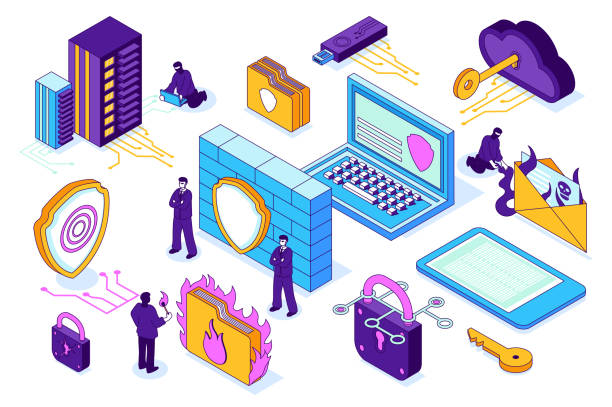
Enhancing Cyber Resilience with Secure Email Practices

In today's digital age, the security of email communications is more vital than ever. With increasing threats from cybercriminals, enhancing your organization's cyber resilience is crucial. This blog post explores the significance of cyber resilience in email security, the role of TLS in securing emails, and the benefits of using private email services.
What is Cyber Resilience?
Cyber resilience refers to an organization's ability to continuously deliver the intended outcomes despite adverse cyber events. It is a broad approach that encompasses various aspects of cybersecurity, IT management, and business continuity planning. In terms of email communications, cyber resilience involves implementing advanced security measures to protect both the integrity and confidentiality of email data.
Why is Cyber Resilient Email Important?
Email systems are among the most significant points of vulnerability in an organization's IT infrastructure. They are often the target of phishing attacks, malware distribution, and other malicious activities. Ensuring cyber resilience in email systems means safeguarding not only the emails but also the information they contain, which often includes sensitive personal and business data.
Implementing Cyber Resilience in Email Systems
Building a cyber-resilient email system involves several key strategies:
- Adopting robust email security policies and procedures
- Using advanced technological solutions like TLS (Transport Layer Security)
- Training employees on the importance of cybersecurity and safe email practices
- Conducting regular security audits and compliance checks
By integrating these strategies, organizations can significantly enhance their email security posture and resilience against cyber threats.
Understanding TLS-Secured Email
Transport Layer Security (TLS) is one of the most crucial protocols for securing email communications. TLS provides encryption for data in transit, ensuring that any information sent via email is unreadable to anyone other than the intended recipient.
How Does TLS Work?
TLS uses a combination of asymmetric and symmetric encryption to secure communications. When an email is sent, the connection between the email client and the server is secured using a TLS handshake. This process involves:
- Verifying the server's identity through a digital certificate
- Negotiating the encryption algorithms to be used
- Establishing a secure, encrypted connection before any data is transmitted
This ensures that any data sent over the connection, including emails, is encrypted and protected from interception or tampering.
Benefits of TLS-Secured Email
Implementing TLS in email communications offers several benefits:
- Enhanced Security: TLS encrypts the entire email communication channel, protecting sensitive information from eavesdroppers and cyber criminals.
- Data Integrity: TLS helps ensure that the data sent via email is not altered or tampered with during transit.
- Compliance: Many regulatory frameworks require the use of TLS or similar encryption methods to protect data in transit.
The Rise of Private Email Services
Private email services have become increasingly popular as concerns over email privacy and security continue to grow. Unlike standard email providers, private email services offer enhanced security features designed to protect users' privacy and data integrity.
Features of Private Email Services
Private email services often include features such as:
- End-to-end encryption (E2EE), ensuring that emails are readable only by the sender and the recipient
- Minimal data logging, reducing the amount of personal data stored by the service
- Secure servers, often located in jurisdictions with strong privacy laws
- Two-factor authentication (2FA) and other advanced security measures
These features make private email services an excellent choice for individuals and organizations that prioritize privacy and security in their communications.
Choosing the Right Private Email Service
When selecting a private email service, consider the following factors:
- Security Features: Look for services that offer robust encryption, minimal data retention, and other security features.
- Privacy Policy: Review the service’s privacy policy to understand how your data will be handled and protected.
- User Experience: Ensure that the email service is user-friendly and compatible with your existing workflows.
- Customer Support: Choose a service that offers reliable and accessible customer support.
Conclusion
As cyber threats continue to evolve, the need for secure and resilient email systems has never been more critical. By understanding the importance of TLS-secured and private email services, organizations can take significant steps towards enhancing their cyber resilience. Implementing these technologies not only protects sensitive information but also helps comply with legal and regulatory requirements, safeguarding the privacy and integrity of business communications. In a world where data breaches are all too common, taking proactive steps to secure email communications is essential for any cybersecurity strategy.
Whether you are a small business owner, a corporate executive, or simply an individual concerned about email security, adopting cyber-resilient and private email practices is a wise investment in the security and continuity of your digital communications.